While many people are drawn to the trendy appeal of Korean cosmetics and the alluring world they create—making you want to pick them up on impulse—I imagine there are also plenty who feel that, when it comes to daily skincare and base makeup, “Japanese cosmetics are still the most reliable.”

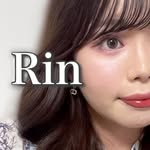
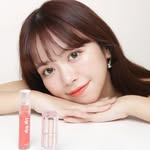
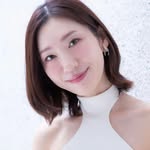
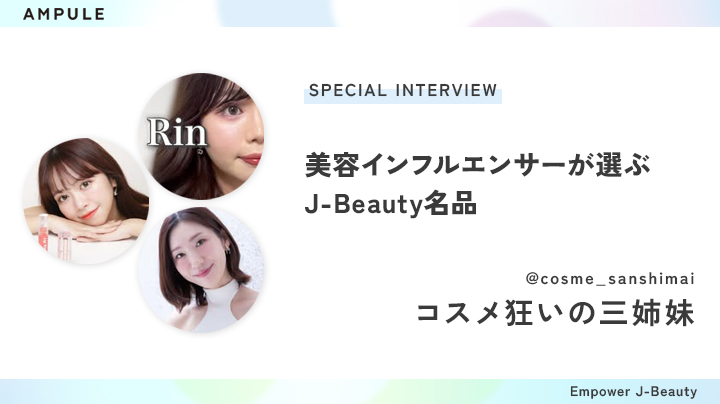
For this article, we interviewed Rin (in her 20s), Momi (in her 30s), and Natu (in her 40s), who run the Instagram account “The Three Cosmetics-Crazy Sisters (@cosme_sanshimai).” We asked them about the essence of J-Beauty, how it differs from K-Beauty, how their views on cosmetics vary by generation, and what they expect from Japanese cosmetics in the future.

Translated with DeepL.com (free version)
We spoke with the “three sisters who are crazy about cosmetics,” who are in their 20s, 30s, and 40s.
These three women post on Instagram under the account name “Three Sisters Obsessed with Cosmetics.”
Even though they all love beauty, their areas of expertise and criteria for choosing cosmetics differ slightly.
Focus on Rubé Cosmé and Skincare for Skin Prone to Internal Dryness
The blog focuses on sharing honest reviews of cosmetics and practical skincare information, including tips for addressing inner dryness and moisturizing routines. It excels at delivering the latest beauty trends while striking a balance between expertise and approachability.
Specialty Genres
Base Makeup, Eye Makeup, Lip Makeup, Skincare
Favorite Makeup Styles
Blue-Tone Cosmetics, Skincare for Dry Skin
J-Beauty:K-Beauty
7:3
Drawing on my understanding of my own skin type and personal color palette, I place great importance on providing realistic and honest impressions—such as which textures work well or not, and “which skin types or concerns a product is best suited for.”
Trendy, Joyful Makeup That Brings Out “Cute Yet Mature” in Your 30s
Her content centers on the theme of “cute yet sophisticated for women in their 30s.” She specializes in creating “happiness-inducing” makeup looks that strike a perfect balance between trendiness, sophistication, and natural beauty by combining high-end department store cosmetics with affordable, budget-friendly options.
Skincare and foundation that address your concerns without relying on technical tricks
I focus on sharing content about skincare and base makeup. I prioritize products that deliver a high-quality finish without relying on complex techniques, and I also value the “passion” behind each brand and product.
Specialty Genres
Skincare, Base Makeup
Favorite Makeup Styles
Items that deliver high-quality results without relying on technical skill
J-Beauty:K-Beauty
9:1
I try to choose items that convey a message—such as whose problems I want to help solve or whom I want to make happy.
Their conversations were filled with trust in J-Beauty, the excitement they feel about K-Beauty, and tips on how Japanese brands can become even more popular in the future.

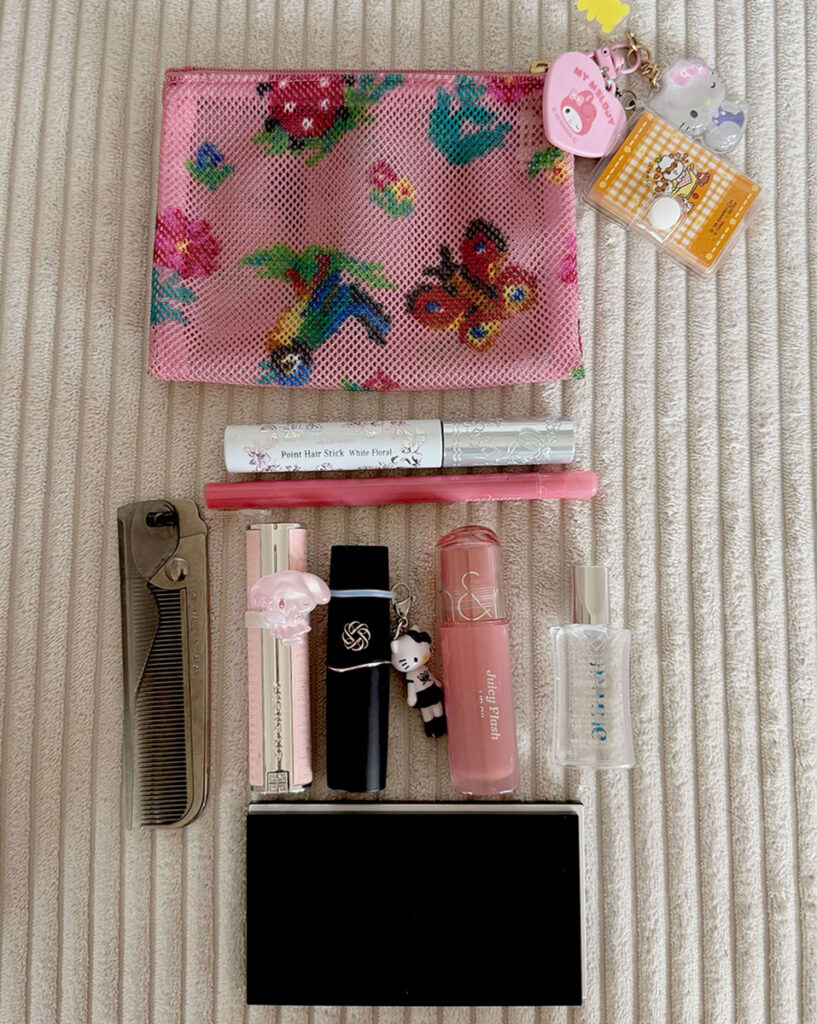
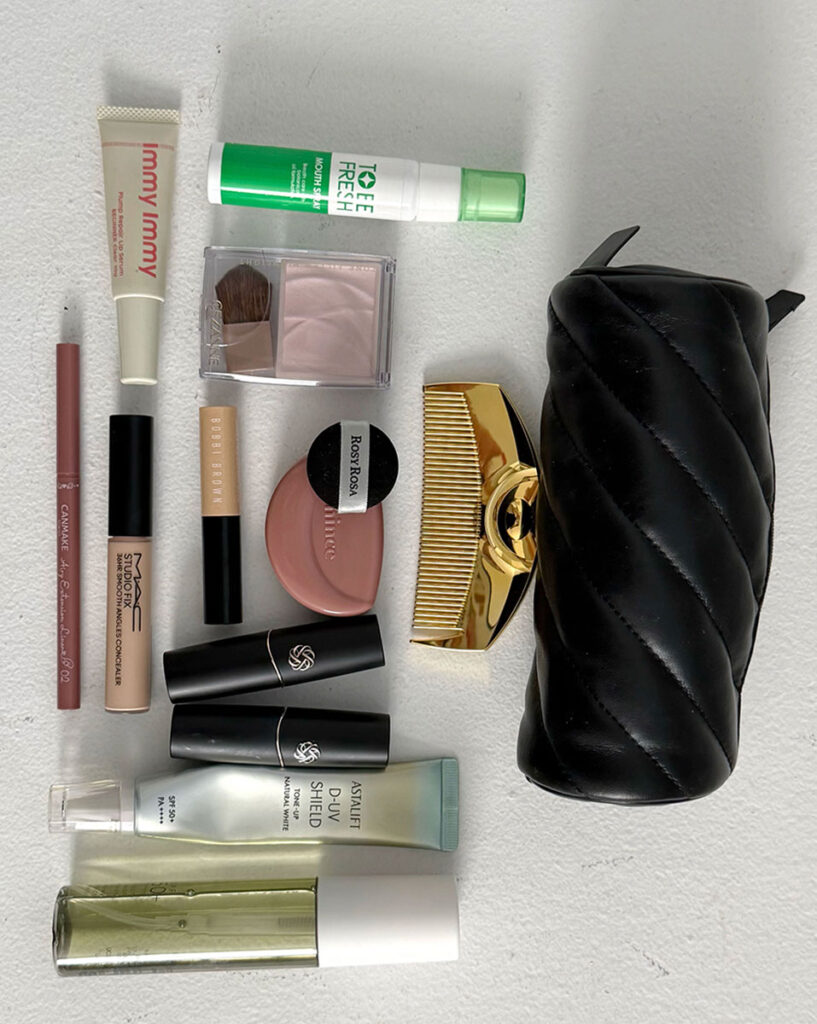
First, let’s take a look at each of their perspectives on cosmetics through their actual makeup bags and favorite items.
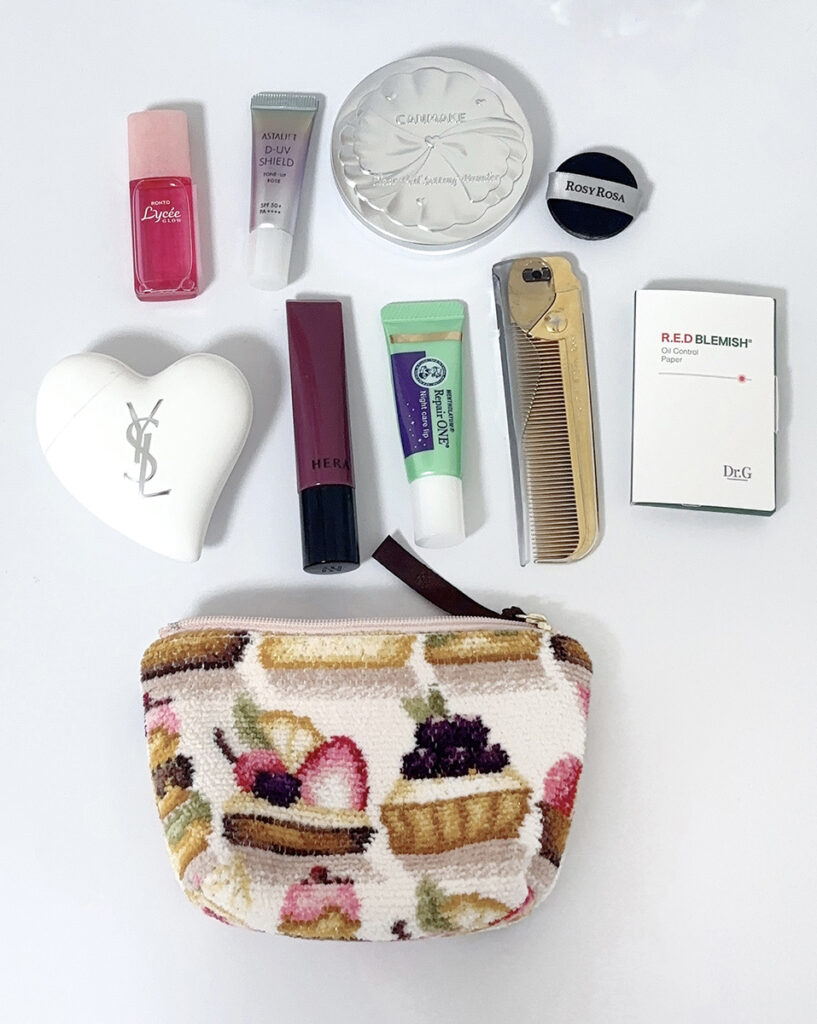
The contents of their real-life makeup bags also reveal each of the three women’s unique perspectives on cosmetics.
What’s Inside Rin’s (in her 20s) Pouch:Blue-toned colors, touch-up items, and more—a perfect blend of “cute” and practicality that’s quintessentially 20s.
What’s in Momi’s (in her 30s) makeup bag:Items that add a healthy glow and a sense of happiness—essential for a cute, grown-up makeup look.
What’s in natu’s (in her 40s) makeup bag:Reliable base and accent makeup that looks polished without requiring any special techniques.
Looking inside the three women’s makeup bags, each one’s unique approach to cosmetics was evident.

Rin (in her 20s) focuses on color and portability; Momi (in her 30s) prioritizes a sense of happiness and ease of touch-ups; and natu (in her 40s) emphasizes a polished look and products that even out her skin tone.
According to the three of them, the essence of J-Beauty is “sincerity” and “ease of use for everyone.”
So, what does “the essence of J-Beauty” mean to these three women?
The keywords that emerged consistently were sincerity, research capabilities, and meticulous craftsmanship.

Rin (in her 20s) says that if she had to describe her impression of Japanese cosmetics in one word, it would be “serious” and “sincere.” She says she senses the attention to detail characteristic of Japanese brands not only in the formulations but also in the container design and the measures taken to ensure quality.
“I feel that every brand is extremely meticulous about details like preventing the containers from oxidizing or keeping light out.”
Rin (in her 20s)
According to Momi (in her 30s), the appeal of Japanese cosmetics lies in the “positive impression” they create and their “skill at achieving a natural look.” She says that many eye shadows and base makeup products offer natural color payoff and finishes, making them easy to use even for beginners.
“I really like that there are a lot of cosmetics—like natural-looking eyeshadows—that are easy to use, even for makeup beginners.”
Momi (in her 30s)
On the other hand, natu (in her 40s) says she senses that J-Beauty is rooted in the desire to “save someone” or “make someone happy.”
“Products that clearly address specific concerns for specific people offer a sensory experience where the scent, texture, packaging, and results all come together in perfect harmony. I hope J-Beauty can offer that kind of ‘resonant sensory experience.’”
natu (in her 40s)
Rather than seeking flashy, dramatic results, it’s about being attuned to the daily needs of your skin and lifestyle.
It’s carefully designed so that many people can use it with confidence.

That, it seems, is where J-Beauty’s greatest strength lies.
The appeal of K-Beauty lies in its speed, presentation, and the thrill it brings
At the same time, all three of them clearly recognize the appeal of K-Beauty.

Rin (in her 20s) highlighted the speed at which K-Beauty incorporates trending ingredients and the appeal of its packaging. She also noted that there’s a wide range of colors available, and many products allow her to enjoy them without being too restricted by her personal color palette.

Furthermore, for Momi (in her 30s), K-Beauty is something that “makes her heart flutter just by looking at it.”
“I often use K-Beauty cosmetics when I want to lift my spirits.”
Momi (in her 30s)
Whether it’s cosmetics that let you “go all out” like idol makeup or eyeshadows that create an artistic finish, she says she reaches for these products on days when she wants to really enjoy putting on a full face of makeup.

Natu (in her 40s) summed up the appeal of K-Beauty as “price,” “how quickly it picks up on trends,” and “how it’s presented.”
“Even if you don’t know much about cosmetics, they’re really good at presenting the products in a way that makes it clear what kinds of skin concerns they can help solve.”
natu (in her 40s)
On product pages and social media, it’s immediately clear who the products are meant for and what makes them appealing.
The strength of K-Beauty seems to lie not only in the products themselves but also in their ability to make them look easy to choose.
J-Beauty for everyday use, K-Beauty for my mood and the latest trends
So, how exactly do these three women differentiate between J-Beauty and K-Beauty in their daily routines?

One thing they all had in common was that they tend to choose J-Beauty for everyday use. They seem to have particularly strong trust in Japanese cosmetics when it comes to skincare and base makeup.
Daily Skincare Routine
J-Beauty
A sense of security, ease of continued use, and consideration for sensitive skin.
When Your Skin Is Unstable
K-Beauty is also an option
There is a wide selection of calming items, such as those containing deer extract.
Daily Base Makeup
J-Beauty
It looks natural, is hard to mess up, and is easy to incorporate into your daily routine.
Trending Makeup
K-Beauty
Trendy colors and textures, with a look that really makes you stand out.
Rin (in her 20s) says that while she’s curious about K-Beauty and buys some products, she actually ends up using them surprisingly rarely in her daily routine.

However, she recognizes that K-Beauty excels in the category of soothing products—such as those containing centella asiatica—and says she sometimes incorporates them when her skin is acting up.

Momi also says she generally sticks to J-Beauty for skincare. When it comes to makeup, she often chooses K-Beauty on days when she wants to try trendy looks, and J-Beauty for her daily routine or on days when she doesn’t want to make a mistake.

J-Beauty for daily skincare and when she wants to avoid mistakes.
K-Beauty for days when she wants to lift her spirits or incorporate the latest trends.
It’s not a matter of one being better than the other; all three women flexibly switch between the two depending on their goals and mood.
What Women in Their 20s, 30s, and 40s Look for in Cosmetics
The appeal of the “Three Cosmetics-Crazy Sisters” lies in the fact that they offer perspectives from their 20s, 30s, and 40s, respectively. Even among beauty enthusiasts, the role people expect from cosmetics changes depending on their age group.

For Rin (in her 20s), the key words are “affordable yet high-quality products,” “cute items,” and “trends.”
She also notes that there’s a strong tendency to categorize oneself—using personal color analysis, body type analysis, MBTI, AI assessments, and the like—to choose what suits them best.
“I get the impression that a lot of people choose clothes based on categories—like, ‘I’m a blue-eyed type, so this is good for me,’ or ‘I have a bony build, so I’ll wear this.’”
Rin (in her 20s)
Momi (in her 30s) says, “This is a generation with such diverse life stages that it’s hard to sum up in a single phrase.” Those raising children seek shorter work hours, while those who have advanced in their careers may turn their attention to luxury skincare or high-end beauty products. Furthermore, she notes that once people reach their 30s, they start to take notice of the term “aging.”
“When I’m shopping for skincare products, I’ve started to notice them more just because they say ‘anti-aging’ on the label.”
Momi (in her 30s)
What natu (in her 40s) is looking for is something that produces a beautiful finish without requiring any special techniques—and something that looks like it took a lot of effort.
“Rather than just looking good, I prioritize looking a little more put-together.”
natu (in her 40s)
In their 20s, women choose products based on what “suits them” and what’s “cute”; in their 30s, they incorporate time-saving products and high-end cosmetics to match their life stage; and in their 40s, they seek products that make them look put-together without requiring any special techniques.

The role women expect from cosmetics changes slightly with each generation.

In Part 1, we asked each of the three women about their perspectives on cosmetics, as well as the appeal of J-Beauty and K-Beauty and how they use them differently.

In Part 2, while introducing the J-Beauty must-haves that these three women actually trust, we’ll consider what’s needed for Japanese cosmetics to become even more popular in the future.